As far as I know, and based on my experience, I can say that everyone loves to listen stories.
stories has the power of engaged and let then feel that they are also participating in the procces of the story.
If story telling is made into an interesting expercience and fun filled activity here the listeners also participate in telling, guessing, manipulating, it could be a joyous learning experience.
For us, as teachers we have to do everything as we can, to help pupils to understand the story, but not translating it.
first of all, to tell a story we have to be close and we need to be close to story telling techniques, and we need to love the story and enjoy it.
If you do this, the storytelling ill be amazing.
Other skill is to encourage children to participate, asking things duting you are telling the story, and here you can see if they are following and understanding the story or not.
Of course, you have to do mime and sounds,and maybe you can show the pictures that the book has, or you can use flashcards, or you can take some pictures with you from internet, and show it during the story.
This probably helps children to understand the story, and maybe you can have an after and before activity, and you can ask children what are they expecting about that book, and at this momento, you are indtroducing children to the story.
To sum up, the most important thing, as my point of view, is to choose a story that you enjoy, to know the story, to practice to telling story in front of someone, and to try to feel confortable, and try to do as good as you can.
children are going to enjoy this time with you, even if you aren´t a good storyteller, so have fun, and enjoy this moment.
lunes, 18 de diciembre de 2017

viernes, 15 de diciembre de 2017
THE PRINCESS AND THE PEA
THE PRINCESS AND THE PEA
Once upon a time there was a prince who wanted to marry a real princess. He travelled around the world but he couldn't find the perfect one for him.
One night, there was a very hard storm and the royal family was having dinner. Then, they heard a light sound on the door. “Knock, knock”.
The prince opened the door and he found a pretty girl who was standing in front of him. She was completely wet and her hair was a mess.
- “Good night. I was wondering if I can sleep here just for this horrible night. I'm the princess of Marvellous.”
The prince ask her to come in, and suddenly, the queen order to prepared the bedroom for the princess.
She wanted to prove that she was a real princess so she put a pea in the bottom of twenty mattresses.
When the princess woke up the next morning, she said that she was very grateful to them but she has pain in all her body because something was on her bed.
That's how the queen knows that she was a real princes.
The prince and the princess get married.
ALTERNATIVE END
Once upon a time there was a prince who wanted to marry a real princess. He travelled around the world but he couldn't find the perfect one for him.
One night, there was a very hard storm and the royal family was having dinner. Then, they heard a light sound on the door. “Knock, knock”.
The prince opened the door and he found a pretty girl who was standing in front of him. She was completely wet and her hair was a mess.
- “Good night. I was wondering if I can sleep here just for this horrible night. I'm the princess of Marvellous.”
The prince ask her to come in, and suddenly, the queen order to prepared the bedroom for the princess. She wanted to prove that she was a real princess so she put a pea in the bottom of twenty mattresses.
When the princess woke up the next morning, she said that she has slept perfectly and she was very grateful for let her slept in the castle.
The queen thought that she wasn’t a real princess and she went to the bedroom.
She found the pea in the table just next to the bed and she ask to the princess what was that tiny thing.
- “At the begging of the night, I couldn’t slept because something was in my bed. I had to moved nineteen mattresses to find the small thing that was causing pain in my back. That’s how I found this little pea. I put it out and then, I could sleep all night long.
The queen was very happy because the queen and the princess can get married.
Once upon a time there was a prince who wanted to marry a real princess. He travelled around the world but he couldn't find the perfect one for him.
One night, there was a very hard storm and the royal family was having dinner. Then, they heard a light sound on the door. “Knock, knock”.
The prince opened the door and he found a pretty girl who was standing in front of him. She was completely wet and her hair was a mess.
- “Good night. I was wondering if I can sleep here just for this horrible night. I'm the princess of Marvellous.”
The prince ask her to come in, and suddenly, the queen order to prepared the bedroom for the princess.
She wanted to prove that she was a real princess so she put a pea in the bottom of twenty mattresses.
When the princess woke up the next morning, she said that she was very grateful to them but she has pain in all her body because something was on her bed.
That's how the queen knows that she was a real princes.
The prince and the princess get married.
ALTERNATIVE END
Once upon a time there was a prince who wanted to marry a real princess. He travelled around the world but he couldn't find the perfect one for him.
One night, there was a very hard storm and the royal family was having dinner. Then, they heard a light sound on the door. “Knock, knock”.
The prince opened the door and he found a pretty girl who was standing in front of him. She was completely wet and her hair was a mess.
- “Good night. I was wondering if I can sleep here just for this horrible night. I'm the princess of Marvellous.”
The prince ask her to come in, and suddenly, the queen order to prepared the bedroom for the princess. She wanted to prove that she was a real princess so she put a pea in the bottom of twenty mattresses.
When the princess woke up the next morning, she said that she has slept perfectly and she was very grateful for let her slept in the castle.
The queen thought that she wasn’t a real princess and she went to the bedroom.
She found the pea in the table just next to the bed and she ask to the princess what was that tiny thing.
- “At the begging of the night, I couldn’t slept because something was in my bed. I had to moved nineteen mattresses to find the small thing that was causing pain in my back. That’s how I found this little pea. I put it out and then, I could sleep all night long.
The queen was very happy because the queen and the princess can get married.
jueves, 14 de diciembre de 2017
WHAT ABOUT?
FIVE LITTLE MONKEYS
There is five little monkeys and it a funny way to work in a preeschool class, the numbers and animals.
RAINBOW FISH:
It´s a very funny video. We can watch it ith children and talk about how important is to have partners and people who help yo to do some activities. We can emphasize and talk about the important of frienship.
THE LION AND THE MOUSE:
There is the fable about this two animals.
we can work about ho important is to help the others, and not to refuse someones help or to think that we are never going to need help.
"even a mouse can help a lion"
THE TORTOISE AND THE HARE:
There is a fable. As teachers we can talk about the imprtance of constance. We have to work constantly, and to think about ho important is the constant effort. You are going to be whoever you want, only if yo have a continious work.
miércoles, 13 de diciembre de 2017
MAKING PUPPETS
Puppets are fantastic for performing plays, and it can be used for storytelling, for playing and having fun.
But the best of all, is that it´s really easy to make it with children, and you can make it on your own way, as you want to do it.
We just need an old sock, buttons for the eyes or small balls, scissors and white glue or super-glue.
Now you just have to decide wich part of the sock is going to be the face of your puppet. then you have to put your hand inside and make a C-shape with your hand, and open and close your hand to be sure that it looks like a puppet.
now is the turn of the eyes, use the needle, a hot glue gun, or white glue to sew the eyes, hair or other decorations to the sock to form a face. in this step you just have to be sure to let it dry before you start to play ith the new puppet.
Now your puppet is done, and you can play with it, use it for storytelling, or permorm a play with it.


This activity for us, as teachers, is a perfect way to develop and improve speaking skills, you can work this items with children and for they we are just playing. that´s the best way to learn something. They make up the roles, the rules, the situations and the solutions, that´s why shy children can be encouraged by puppets to comunicate easily and they can have more self- confidence.
Another bennefit that have this activity, is to understand the difference between reality and fantasy. performing plays with children and puppets, makes that the real world becomes more real to children, and it is an opportunity to express their feelings, fears and preocupations, and of course, they can be whoever they want.
Have fun!
MAKING BOOKS
First of all, when Susana gives us the oportunity to make our own book I was scared.
I know that I want to make something related to the sea, maybe this is becouse when I was a child this was one of the topic in wich I was interested in.
I really enjoy the procces. I decided tobuy the materials, and to handmade everything, every single character and every single detail.


As you can see it was a hard proccess, but I enjoyed it, I made it exactly how I want to did it, taking care about every single detail.
While I was making this book, I gained skills and knoweledge about what children are interested in, about how can I will do this activity in the future as a teacher.
What i found really interesting about this activity, is to think like a children being an adult. That´s whats we should do if we want to ecourage children to read for pleasure and to enjoy what they are reading.
STORY TELLING
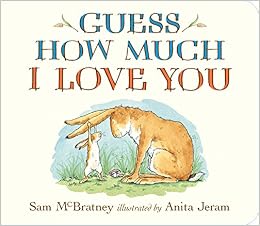
Hello everyone!
I want to start this Blog with my favourite activity.
For my point of view this activity was really funny and I enjoyed it, but maybe this is becouse I love telling stories and that is a fantastic way to spend time with children.
To start with this activity, I had to choose a book, and I decided to use this one becouse I love the story and I enjoy it.
I decided to tell the story without any material, just with my face expressions and showing the book, becouse I want the children to pay atention to my faces and my body expression, and of course, to the pictures, wich are fantastic.
It was magic, it was a very special moment for me.
We share a good time together, we are all excited and sharing the same illusion.
Try to find a story which you enjoy, and try to involved children and to make it funny.
miércoles, 1 de junio de 2016
ARTÍCULO FINAL
Cómo
siempre que algo termina es inevitable hacer "balance" de lo bueno y
lo malo, de lo que hemos aprendido y lo que nos queda por aprender, y en este
caso, de cómo han cambiado los conocimientos con los que veníamos a esta clase
el primer día, y de lo que nos llevamos ya para toda la vida, pero eso ya nos
lo avisó Irune el primer día de clase, así que no debería sorprendernos.
Recuerdo ese primer día de clase,
en el que nos pusimos a definir unas palabras sencillas, que usamos todos los
días y que no debería ser un problema definir, y con sencillas me refiero a “libro”,
“cuento”, “literatura”, etc.
Ahí
fue el primer momento en el que aprendí algo de esta asignatura: Iba a hacer
que me planteara muchas cosas que yo creía muy sólidas, llevaba toda mi vida
dando clases de lengua y de literatura y hablando de lo que hoy ya sé que son
libros, y los cuentos.
Por todo esto puedo decir, que tanto
la forma de trabajar, como las clases, me han enseñado y ayudado mucho, a
aprender disfrutando, y que todo lo aprendido lo llevaré conmigo a las
aulas a las que vaya en mi futuro como docente.
Me gustaría antes de pasar a
todos los contenidos que he aprendido, hacer un repaso global de la asignatura,
y más adelante ir profundizando.
He aprendido cosas que
seguramente no entran dentro de los contenidos que Irune quería trabajar.
He aprendido que para aprender es
necesario disfrutar.
He aprendido de la forma de
trabajar, plantear y abordar la asignatura.
He aprendido a investigar y
buscar fuentes de referencia.
He aprendido a seleccionar los
libros que son adecuados.
He aprendido que no los libros más
conocidos son los mejores.
He aprendido que los libros de
"6 EUROS" no son los libros con los que se disfruta.
He aprendido que en el ámbito de
la educación hay que plantearse las cosas, y no dejar nada al azar.
He aprendido que los niños, son
niños, pero no "tontos".
He aprendido que los temas con niños
hay que tratarlos con normalidad.
He aprendido que un niño no se va
a traumatizar por la muerte de un personaje, aunque es algo en lo que no hace
falta recrearse.
He aprendido que la literatura
está ahí para entretener.
He aprendido que nuestra labor es
acercar a los niños a la literatura.
He aprendido que la selección de
los libros es necesaria e importante.
He aprendido muchas cosas, me he
planteado muchas otras, he reflexionado y he disfrutado. Pero todo esto, sin
profundizar en los contenidos.
Aunque también he aprendido...
que me queda mucho por aprender.
El primer día de clase ya me
llamó la atención la asignatura, pero conforme iba descubriendo todo lo que
encerraba el bloque uno me iba gustando más.
Cuando recuerdo los libros que he
tenido que leer a lo largo de mi etapa escolar... no recuerdo más que dos o
tres, y os aseguro que he tenido que leer bastantes más, pero no logro
recordarlos, y hoy puedo afirmar que no es por mi mala memoria, sino porque
fueron libros con los que no disfruté.
He descubierto la literatura
mucho más adelante, y por mi cuenta, y toda la etapa previa a que volviera a
gustarme leer... con una madre enamorada de la literatura, podéis imaginaros,
que fueron años complicados.
Gracias a este bloque, aprendí
que la literatura está ahí para disfrutar, que nuestra labor como maestros es
acercar la literatura a los niños, hacer que la disfruten, que está ahí para
entretener.
A partir de esta afirmación.
aprendimos la importancia de saber elegir un buen libro, ya que no todos son
adecuados para todas las edades ni para todos los momentos.
Hemos
aprendido que existen libros literarios, y libros paraliterarios, además de
comprender lo fácil que es confundir uno con otro, ya que durante mucho tiempo
toda la literatura infantil era paraliteraria. La literatura tenía que enseñar,
y no entretener o ser disfrutada.
Gracias
a esta asignatura puedo afirmar que conozco las diferencias entre unos y otros.
Los libros paraliterarios tienen un fin didáctico, tienen que enseñar algo, o
un fin moralizador, los literarios tienen función poética y pertenece a la narrativa,
a la poesía o teatral y aunque encierran muchas enseñanzas, no induce a un tipo
de comportamiento por parte del niño.
Esto ha sido
algo que nos ha acompañado durante todo el curso, como un conocimiento base,
los cimientos, sobre los que empezar a construir todo lo nuevo que íbamos a
aprender, sin importar el bloque que trabajáramos.
Y como en
cada bloque, al final llegó la actividad, para la que Irune nos dejó elegir uno
de los libros que trajo y debíamos analizar los aspectos por lo que elegiríamos
es libro para una determinada edad. Esta actividad me ayudó a aprender que lo
realmente importante en un libro no es la portada, o las ilustraciones, aunque
sea algo importante ya que nos hace disfrutar más aún, me enseñó a fijarme y a
ir más allá, a analizar el tema, la estructura, los personajes, los valores y
el lenguaje, ya que todos estos aspectos juntos son los que definen un buen libro
adecuada para determinada edad.
Con todo
esto aprendido y la actividad del primer bloque realizada, pasamos al segundo
bloque. En este bloque abordamos los textos folclóricos. Esos textos de los
que no se conoce su autor, y que han tenido tantas adaptaciones como personas
los han contado y transmitido de forma oral o escrita y que han pasado de
generación en generación.
Debo admitir
que ha sido uno de los temas que más me ha gustado. Me gusta ese halo de
misterio que encierran todos esos cuentos, las historias que encierran, me
hacen trasladarme a otra época. Desconocía por completo todo este tema, nunca
me había parado a pensar en ello, pero puedo decir que ha sido uno de los
bloques con el que más he disfrutado y que me ha despertado la curiosidad por
investigar más todo lo relacionado con este tema.
Aquí viene
uno de los momentos con los que más disfruté, el momento en el que Irune contó
historias relacionadas con la mitología, y cuando contó el cuento de “Toda
clase de pieles” del que realizamos entre toda la adaptación en clase, y más
adelante “El hombre de la piel de oso”. Ambos los he utilizado, una vez
adaptados, cuando me he quedado cuidando a la pequeña de las tres niñas que
cuido, que tiene 5 años, mientras sus padres salían a cenar. Todavía sigue
preguntándome que cuando voy a quedarme otra vez con ella para poderle contar
esos cuentos, y sigue sin saber cuál le gusta más. La actividad consistía en la
adaptación de un cuento que Irune contó en clase, “El Hombre de la piel de oso”.
Fue una actividad que realmente disfruté, aunque en un principio me sentí un
poco confusa, ya que no sabía cómo cambiar los aspectos que yo consideraba que
faltaban y los que sobraban para adaptarlos a la edad que yo había elegido,
pero todo es cuestión de ponerse y resultó mucho más sencillo y divertido de lo
que esperaba. La única premisa era respetar el esqueleto de la versión, el
viaje iniciático, las funciones, los motivos y los símbolos, por lo que le di
nombre a los personajes, suprimí algunas situaciones que no me parecían de
relevancia en la historia y cambié algunas otras por temas más adecuados, como
podía ser el tema de la religión.
Una vez
superado el segundo bloque pasamos al tercer bloque, con el que pude
disfrutar mucho también. Descubrí lo mucho que me gustaba contar cuentos, pero
también descubrí que no todos son adecuados para hacerlo.
En este
bloque se nos pedía que seleccionáramos un libro en concreto, y que en grupos
de tres nos repartiéramos una estrategia, cuentacuentos, la narración con libro
o la lectura. Como podéis imaginar elegí la de cuentacuentos, y el libro que
seleccioné fue el mismo libro que en la actividad uno, ya que me parecía
perfecto, a pesar de que normalmente los cuentacuentos recurren a textos
folclóricos. Pude disfrutar de contar mi cuento, además de poder disfrutar y
aprender de cómo realizaban mis compañeras la estrategia que ellas habían
elegido.
Según mi
experiencia como oyente, nunca me había fijado en cómo contaban el cuento,
supongo que, porque no sería nada especial, y no sería algo digno de observar,
pero este curso, ha marcado un antes y un después. He aprendido la importancia
de elegir el cuento adecuado y de contar un cuento, pero de contarlo de verdad,
con el cuerpo, con la voz, con los gestos, con todo, la importancia de hacer partícipes
a los niños y de fijarme en qué parte les interesa más y en que parte se
aburren y descuelgan de la historia.
En lo
referente al bloque 4, hemos hablado ya de la importancia de acercar la
literatura a los niños y de ayudarles a disfrutar con ella, pero… ¿hay algo más
divertido que poder crear tu propio libro? Así pues, aprendimos las estrategias
y las técnicas necesarias para crear textos en prosa, verso, dramática y libros
con los niños. Lo que me ha parecido muy interesante y un recurso importante
como futura docente, ya que en ningún aula lo había visto, y no sabía que se
pudiera hacer y resultara tan divertido para ellos (incluso para nosotros, fue
divertido el día que lo practicamos en clase, por lo que puedo imaginar lo que
será en un aula y tengo muchas ganas de descubrirlo en primera persona).
En este caso
la actividad consistía en realizar una creación en prosa, yo en este caso
recurrí al binomio fantástico, en el que debes elegir dos sustantivos que no
tengan una relación clara, y con ello entre todos crear un texto, haciendo
aportaciones cada uno resulta mucho más divertido.
Además, debíamos
crear un texto en verso, para este caso recurrí a la adivinanza y además de
esto saqué la idea para mi libro, que con frases sencillas y acompañada de un
bonito dibujo y de algunos colores… quedó fantástico y es un precioso recuerdo.
Por último,
la creación dramática, para la que acudí a la estrategia de la hipótesis
absurda de Rodari. En este caso debía inventar un ¿Qué pasaría si…? Que no
fuera lógico, algo que no pudiera suceder e imaginarme qué habría pasado o qué habría
hecho.
Como ya
viene siendo una costumbre en esta asignatura disfruté mucho con este bloque,
he aprendido cosas que me van a ayudar el día de mañana cuando esté en un aula,
a disfrutar con los niños de la literatura y a hacerles disfrutar a ellos, a
acercarles de la mejor manera posible la literatura, a ponérsela al alcance de
sus manos.
Y llegó el
momento del último bloque. La creación de un rincón literario en el que
poder poner en práctica todo lo aprendido durante esta asignatura, y además
poderlo hacer en grupos, lo que ha enriquecido muchísimo mas esta experiencia. Hemos
podido debatir, desde la situación en el aula a los libros más apropiados para
formar parte de nuestro rincón literario y que pudieran hacer disfrutar a los
niños. Me ha gustado tanto, y me ha parecido tan bueno, tan pensado y tan
cuestionado, que el día de mañana me gustaría poderlo tener en mi propia aula. He
disfrutado realmente de esta actividad, y me ha hecho tener aún más ganas, si
eso era posible, de querer alcanzar ya mi vida profesional y disfrutar de todo
lo que un aula llena de niños me depara como docente.
Para concluir,
mi reflexión personal, no puede empezar de otra forma, que dando gracias
por esta asignatura. Gracias por todo lo que me ha hecho plantearme, por lo que
me ha hecho implicarme en cada trabajo, por lo que me ha hecho exigirme a mí
misma, por todo lo que me ha enseñado y he aprendido, que me servirá para mi
futuro. Es una asignatura de la que he sacado mucho, que me ha cambiado por
completo mi visión de la literatura, y que me ha cambiado todos los
conocimientos previos que traía.
La visión de
esta asignatura ha ido cambiando conforme la iba cursando, así como mis conocimientos.
El primer día me
pareció interesante, pero compleja. Aun así, poco a poco, según íbamos dando
clases, según íbamos practicando los ejemplos en clase, según íbamos aprendido,
he podido disfrutarla mucho.
Ha sido un gusto trabajar de esta forma, aprendiendo de nuestros errores, permitiéndonos unas a otras enriquecernos con las ideas que a mí se me podían no haber ocurrido, y una experiencia muy enriquecedora, por lo que concluyo diciendo que he aprendido mucho.
Suscribirse a:
Entradas (Atom)